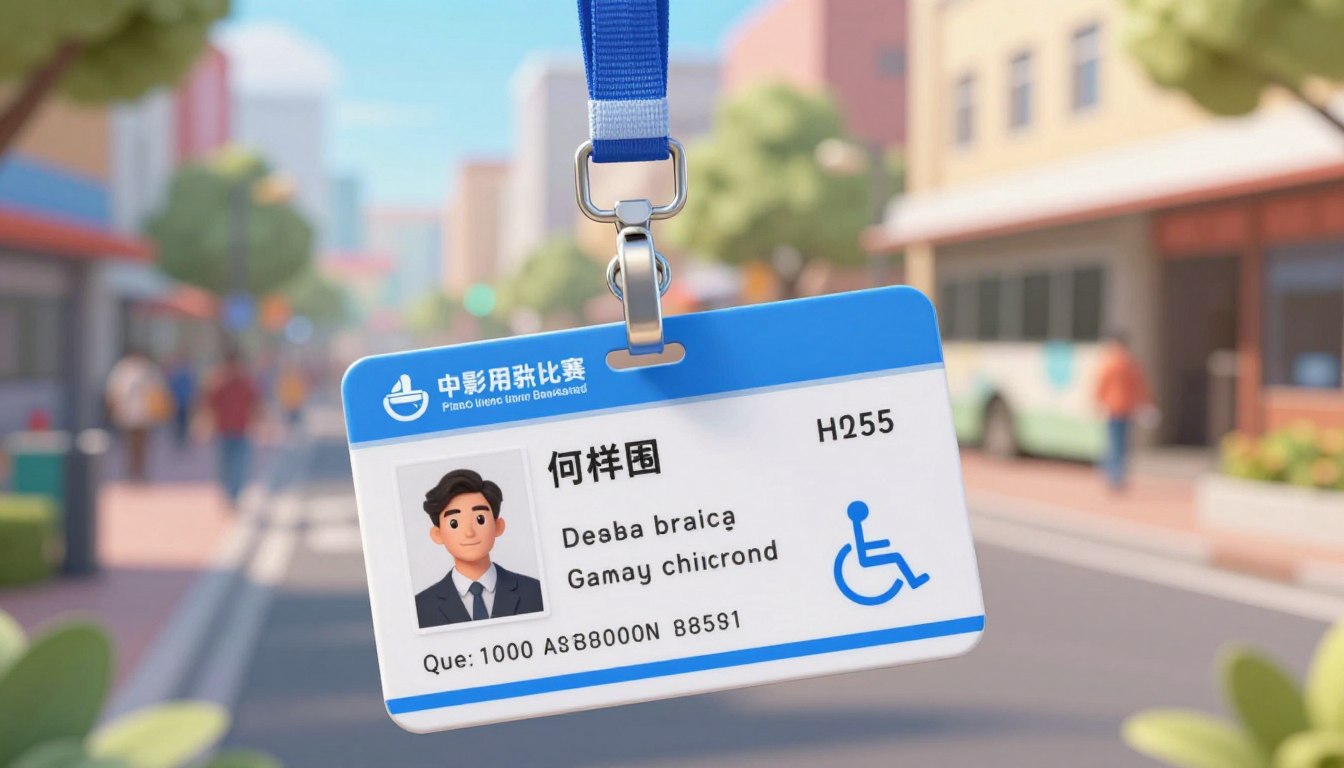
Have you ever wondered why a single card can change how you move through airports, buses, and busy venues?
This disabled id card is a clear, high-security tool. It reduces the need to explain your condition over and over. It has the International Symbol of Access, which helps staff quickly understand your needs.
It also unlocks discounts and companion tickets. Plus, it gives you access to priority lanes and support at events.
For reliable disability identification, the best place to apply is at disability-card.com. This site makes the process easy and offers a user portal. It’s tied to your card number for benefits and concessions.
Whether you want financial relief, easier travel, or less anxiety in public, an accessible id card can help. It makes daily life simpler and more secure.
Understanding the Disabled ID Card: An Overview
The disabled person card shows who needs special help. It makes it easier to get into places and use services. Cards from different places have the same goal: to help people with disabilities.
What is a Disabled ID Card?
A national disability card is a special ID. It has the International Symbol of Access and is safe to use. It helps people get discounts and special tickets.
Some cards are for everyday use. They help people get into places and enjoy activities.
Eligibility Criteria for Obtaining a Disabled ID Card
To get a card, you need to meet certain rules. These rules depend on who is giving out the card. They look at things like blindness and autism.
You might need to show medical papers. Some places want to know how your disability affects you. They might look at how much you can do.
Types of Disabled ID Cards Available
There are cards you can hold and cards you can use on your phone. Some cards are for carrying around, like on a lanyard. This makes it easy to show your card when you need to.
How long a card is good for varies. Some cards are for life, while others are temporary. Having one card for all your needs can make things simpler.
Benefits of Holding a Disabled ID Card
A disabled ID card opens doors for daily life. It proves your need for support. This makes getting services faster and cuts down on paperwork.
Financial Assistance and Discounts
Many programs offer real savings with a disabled ID card. Cardholders can get discount codes and gift cards for many things. This includes supermarkets, restaurants, and mobility aids.
UK-style schemes like the CEA Card also help. They offer tax relief and companion ticket discounts. These can save a lot of money.
Travel costs can also be lower. For example, railcards can cut fares by a third. Local passes can make bus travel free or cheaper.
Access to Specialized Services
Disabled ID cards open doors to special services. They help get assistive devices and priority appointments faster. They also make it easier to get education supports and financial services.
Enhanced Travel and Transportation Options
Travel gets easier with the right ID. Cards can get you reserved seating and airport assistance. They can also get you companion fares and parking discounts.
Social and Recreational Opportunities
Leisure activities become more accessible with a disabled ID card. You can get tickets for a friend or carer. This makes going to places like theatres and museums easier.
Practical benefits—from handicap id card discounts to special needs id card services, accessible id card travel, and disabled citizen card leisure—make daily living more affordable and more inclusive.
How to Apply for a Disabled ID Card
Getting a disabled ID card has clear steps and needed papers. Read each step slowly. Keep digital copies of your documents. Use official sites or trusted issuers to apply for the disabled ID card to avoid delays.
Step-by-step application process
Begin online on your state’s official portal or a trusted third-party site. Pick the form for disability certificates or UDID. Fill in personal details, disability type, job status, and ID info.
Upload a passport-size photo and needed scans. The application goes to a medical officer and then a specialist for assessment. The medical board decides on disability percentage and card validity. Then, the CMO office issues the certificate and sends data for card printing.
Keep track of your application with your enrollment number, Aadhaar, or mobile number. Processing usually takes a week to two weeks, but times can vary.
Required documentation and information
Collect identity papers, proof of address, and government IDs like Aadhaar or driver’s license. Include medical records, diagnostic reports, and a referral or GP letter if you have them.
For UDID applications, add a passport photo, disability certificate, income proof, and caste or domicile proofs if needed. Third-party cards might accept benefit letters or doctor statements as part of the special needs ID card documents.
Common pitfalls to avoid during application
Avoid incomplete uploads and wrong file formats. Don’t apply too close to when your ID expires. Renew up to nine months before it expires to avoid gaps.
Don’t assume all programs accept the same proofs. Check the requirements for travel passes, tax relief, or vehicle exemptions before applying. Use the portal to request corrections for name, address, or photo without a new assessment when allowed.
For disputes about assessments, use the official appeal routes from the issuing authority. Keep records of every step in the disability identification process. This helps with corrections and follow-ups.
Frequently Asked Questions about Disabled ID Cards
This FAQ answers common questions about disabled ID cards. It helps with use, loss, and renewal. It gives practical steps and what to expect in the United States.
Can You Use a Disabled ID Card for Identification?
Many disability cards show you need special access. They are accepted at some places for discounts or special tickets. But, not all places accept them.
For government services, you might need more than just a card. Keep your card’s number and security features ready for quick checks.
What to Do If Your ID Card Is Lost or Stolen
If your ID card is lost, tell the issuer right away. For UDID holders, you can fix issues online without a new test. Third-party cards have online portals for loss reports and replacements.
Fees and times for replacements vary. Save a digital photo of your card and application receipt. This helps get a new card faster.
How Often Do You Need to Renew Your ID Card?
Renewal times vary by card type. Some UDID cards are permanent if your disability is stable. Others need renewal and can be done up to nine months early.
Third-party cards have set times to renew, like yearly. Check online for renewal dates and start early to avoid problems.